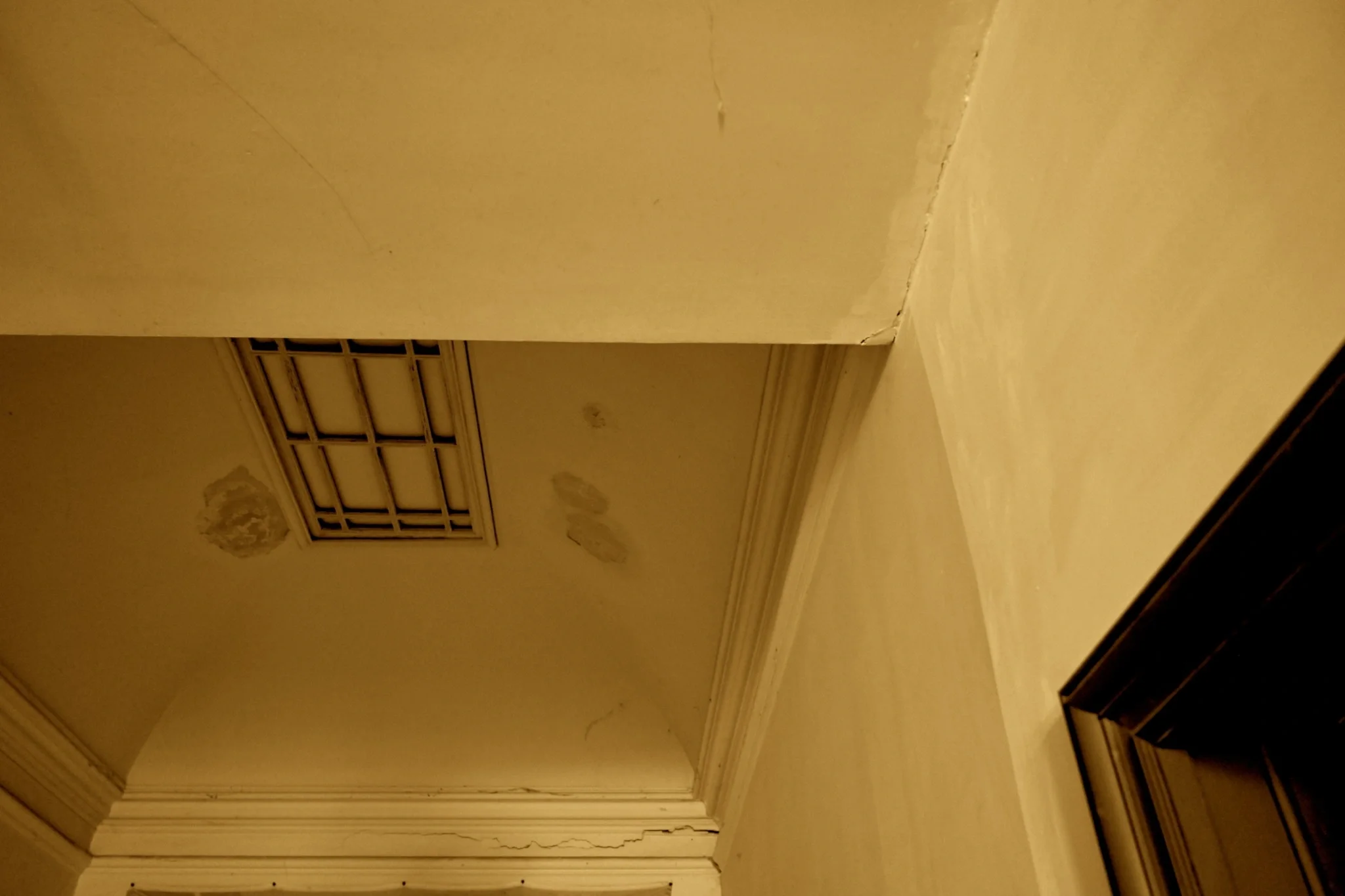
Mme Cayla the Doctor’s Wife
PHOTOGRAPHY · 2023
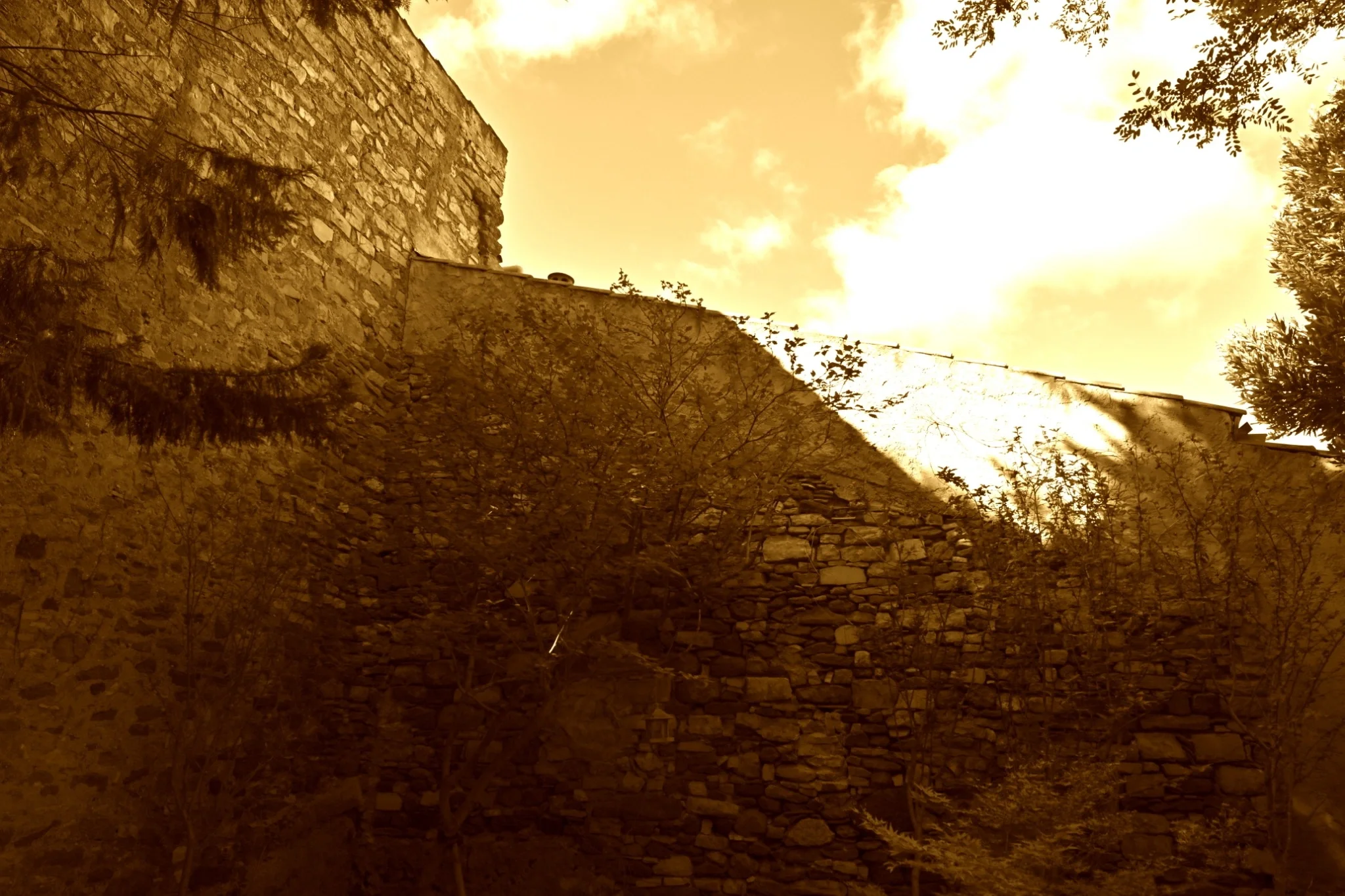
Mme Cayla was the wife of the son of Dr Cayla who built an imposing, gracious home in the small town of Sainte-Valière in the Minervois.
It was not unusual for successful bourgeois to announce their success in small villages with stately houses. In the late nineteenth century, a few generations after the Revolution, it was no longer dangerous to be ostentatious.
The first doctor built the house after the fall of Napoleon III during the economic boom that followed in the 1880s. He was the model patrician of the new republic who was not only a respected physician but wrote a detailed treatise on the regional viticulture.
His son also became a doctor and set up in the family home with his young wife and four children. He had a thriving practice that was cut short by the Second World War. The family escaped to the north whereupon the house was occupied by a Gestapo unit stationed to reconnoitre against the Maquis, the resistance, that was considerably stronger in the south.
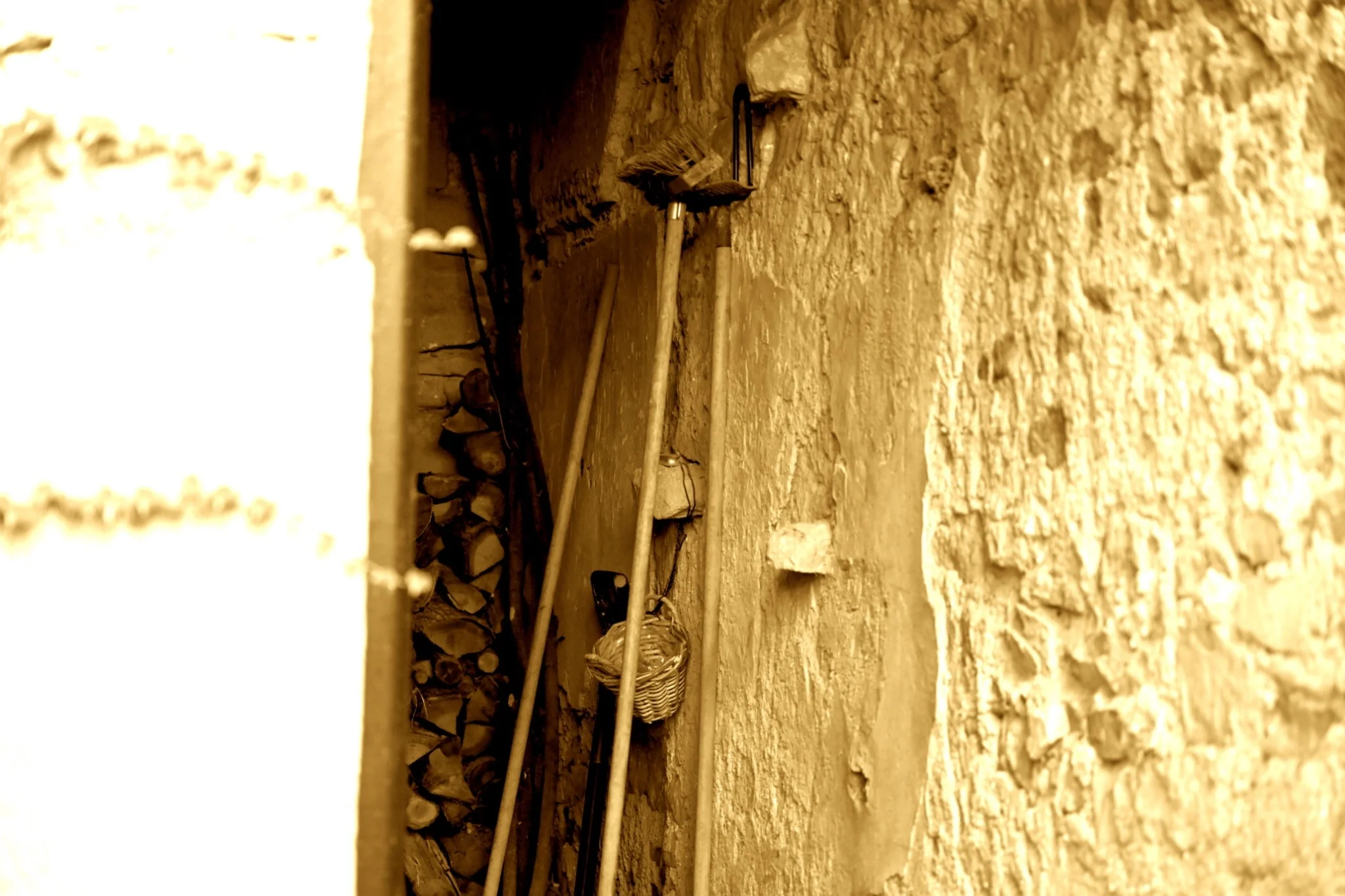
When Mme Cayla returned to the house after the war’s end, she found it in a state that countless others found their homes, if they were lucky enough to find them in a passable condition. The crockery that belonged to the first doctor was gone. The remainder of the linen was soiled and torn. Only a few family heirlooms were still in the attic where the former inhabitants had not bothered to venture.
She had lost two of her children and another was in Paris starting a new life. With only her remaining daughter she sought to rebuild her life from the ruins of what remained.
But the house was little more than a shell of the past, its former warmth reduced to a faint glow. Mme Cayla, the second doctor’s wife, found herself unfit to cope any more with the outside world, leaving her daughter to attend to everyday matters.
Mme Cayla became a mysterious figure that the villagers could at times see as a gloomy silhouette inside the window frame of the upper floor or in stray movements when fluttered curtains revealed some trace of an outline.
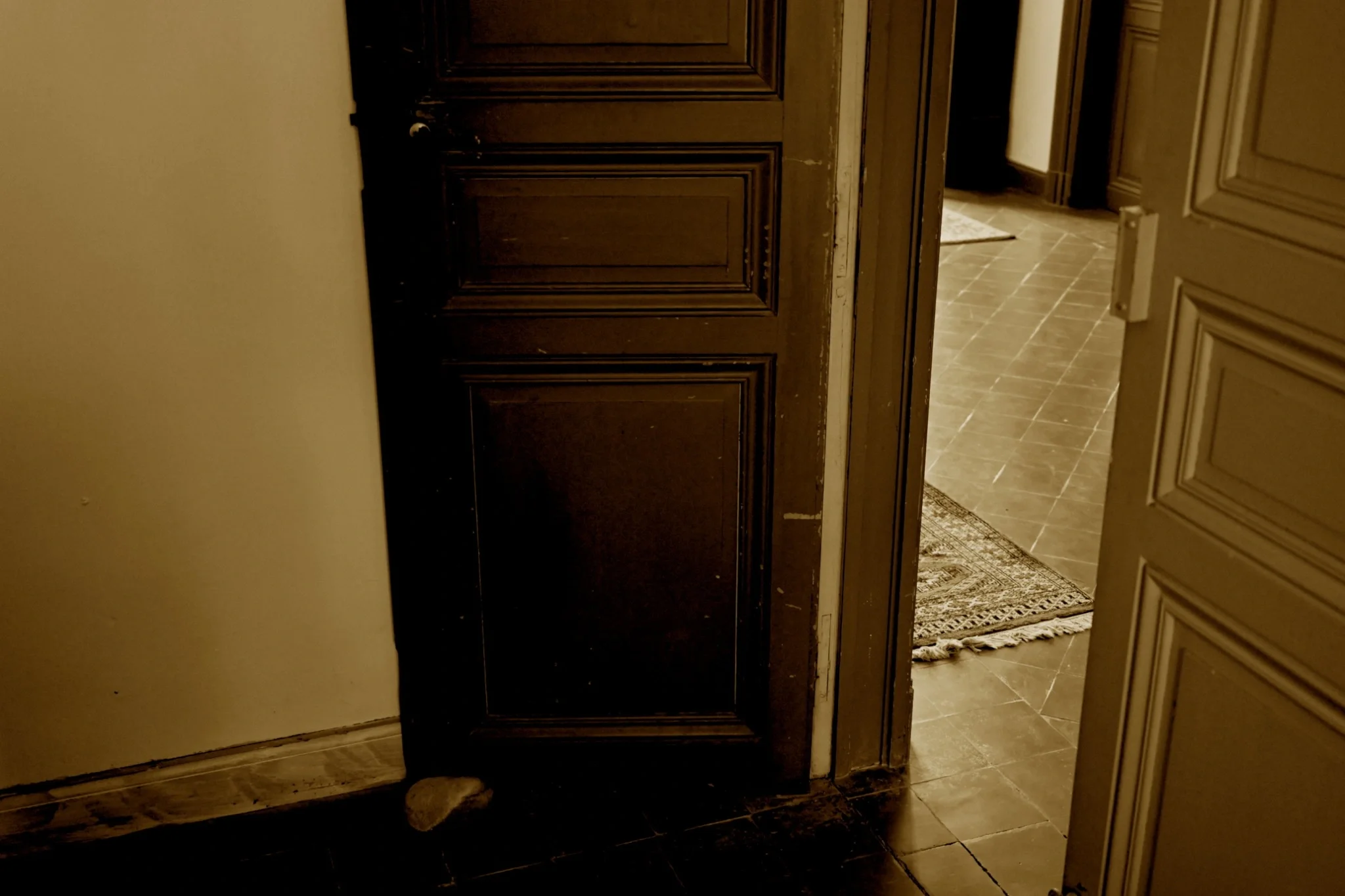
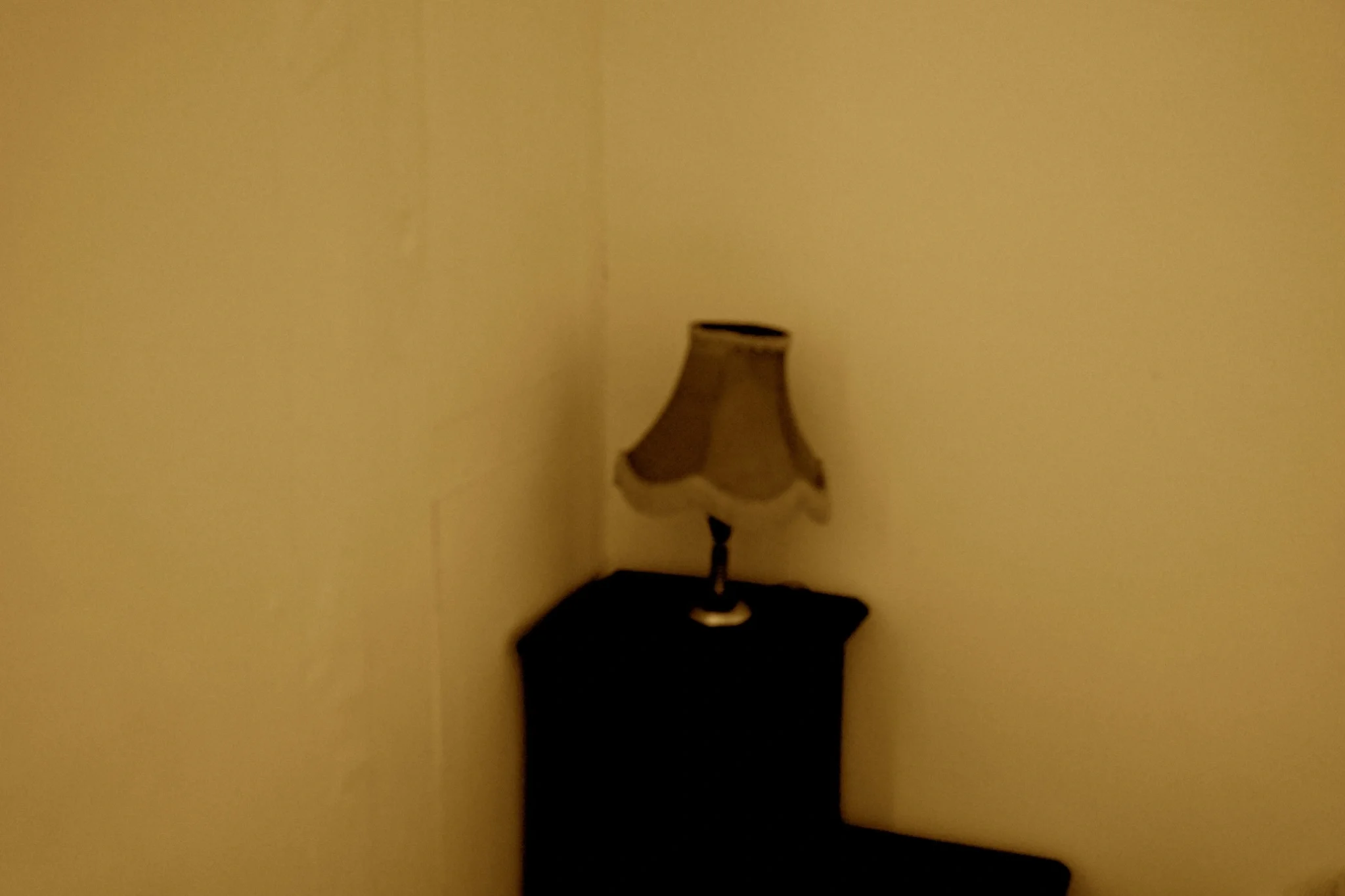
She became a spectre in her own home, haunting the rooms, spending hours staring out of windows or walking from room to room, fixing her gaze on empty spaces, sighing, always silent and uncommunicative.
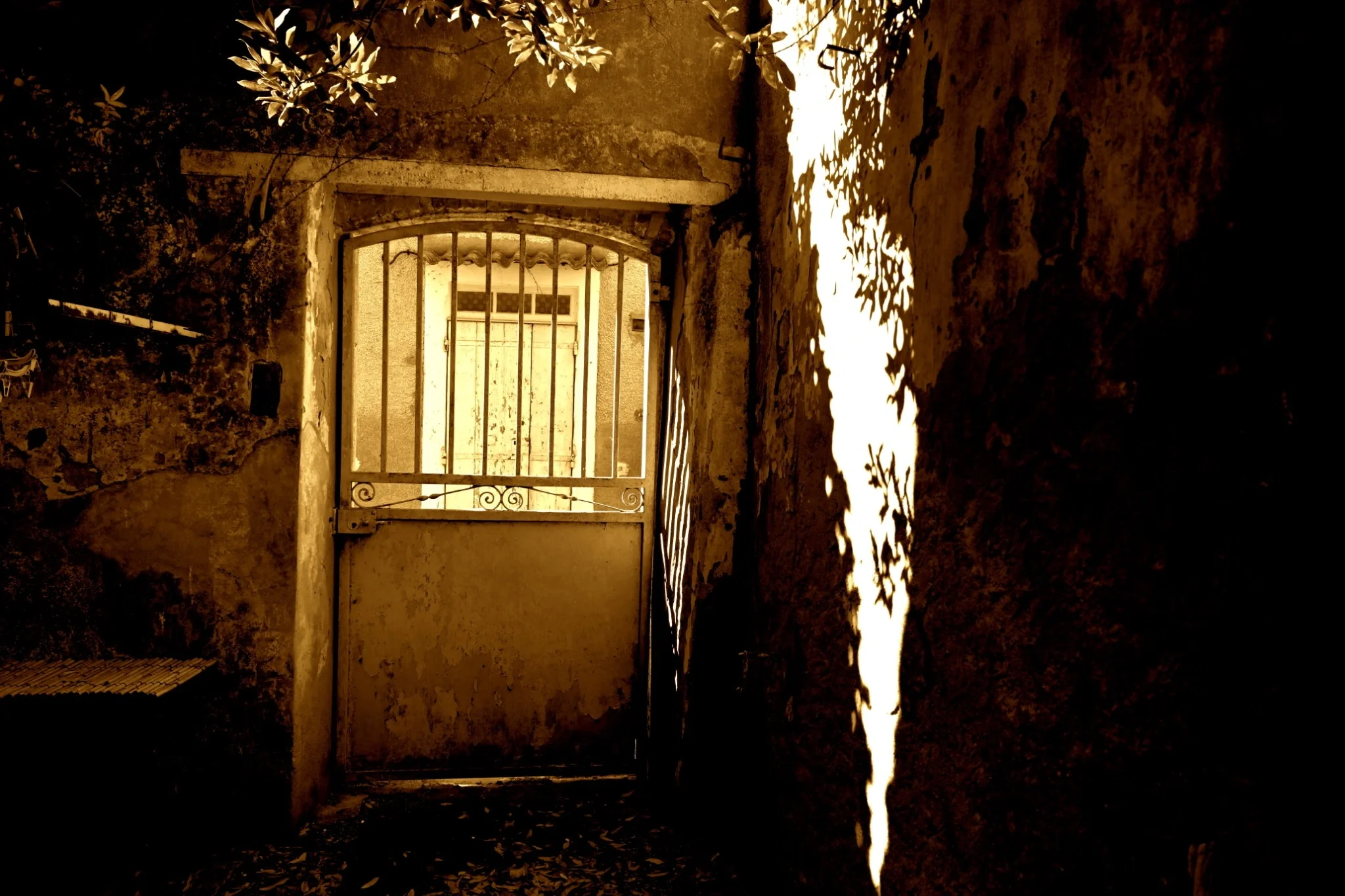
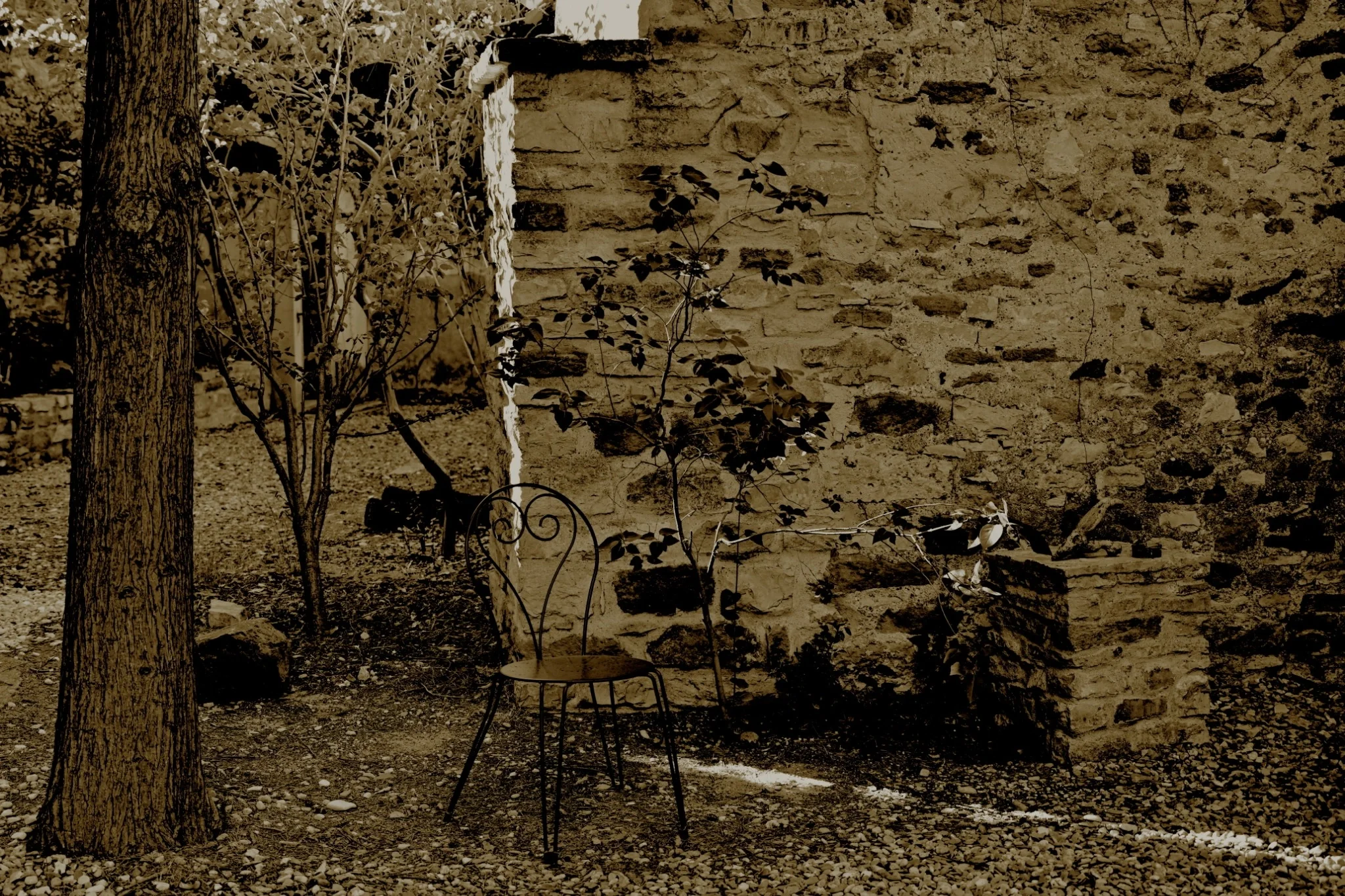
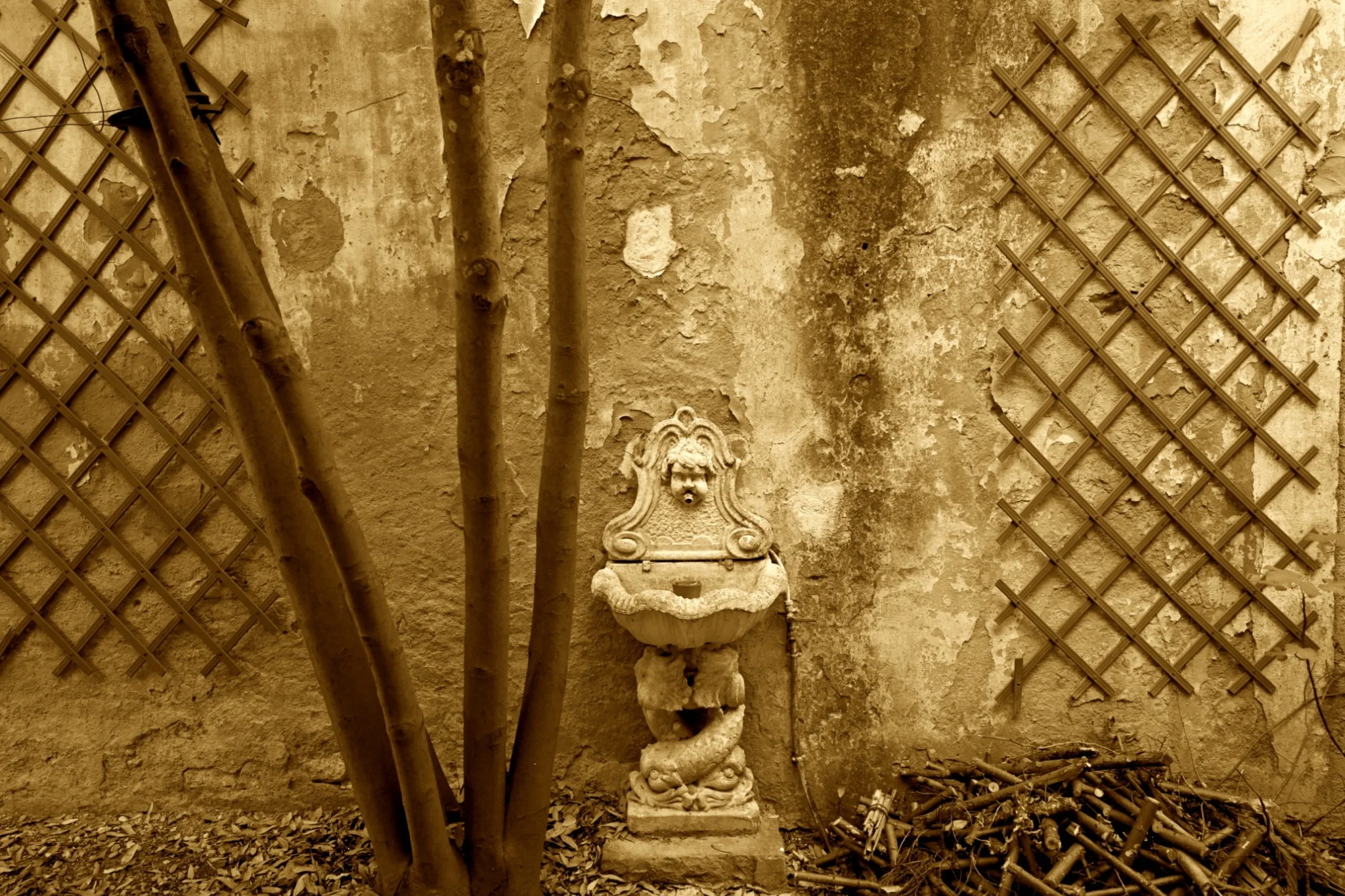
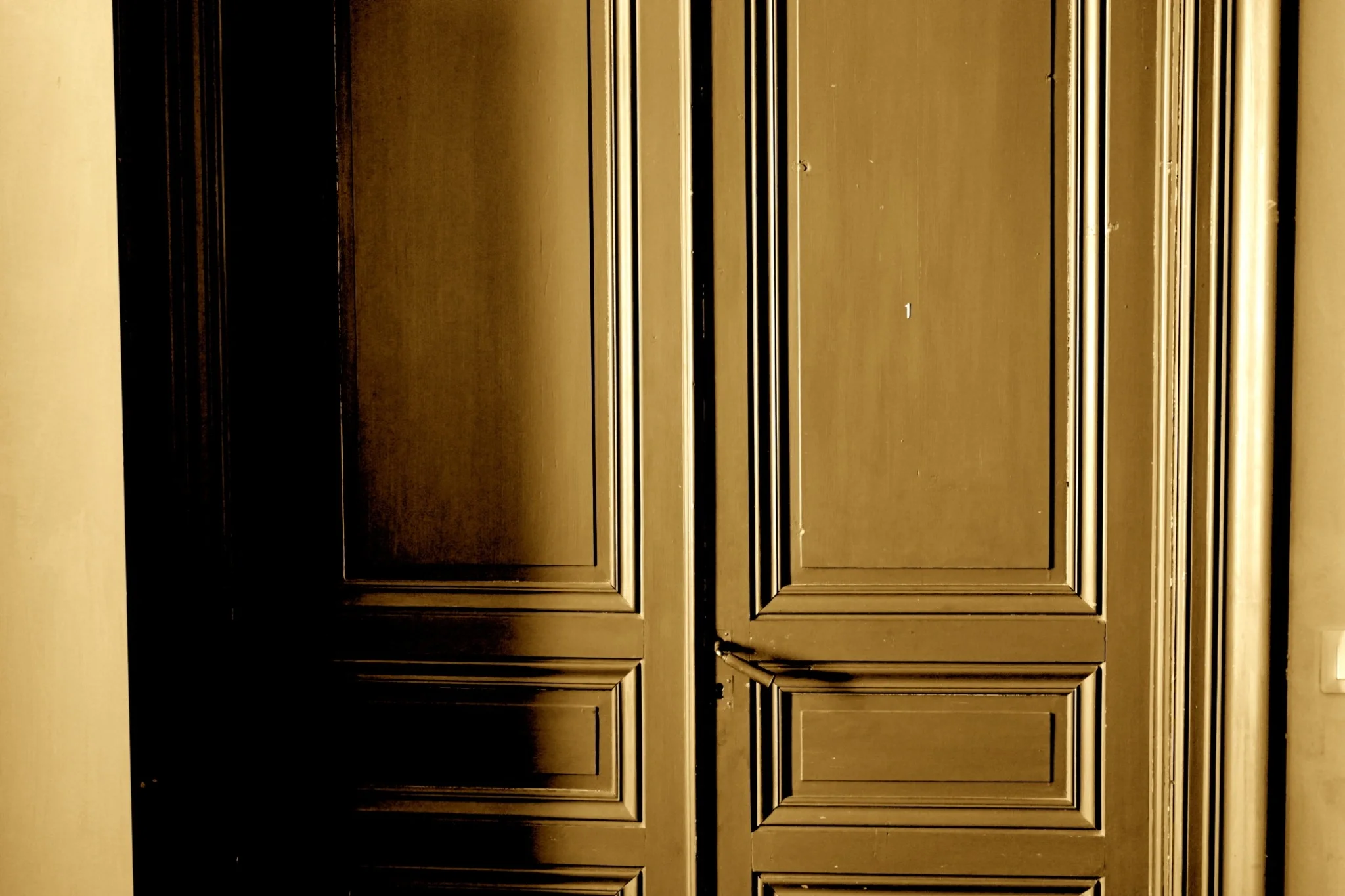
The house is now remade and is a place of gathering and joy. It is closed in the winter. On entering after a long hiatus the presence of her phantom is still palpable in the silence and the cold.
When I heard of the story of Mme Cayla, the doctor’s wife, I fell into a strange reverie.