ESSAYS
Writing on art, fashion, and visual culture, ranging across history, philosophy, and the persistent strangeness of objects and images.

What the Museum Has Done to Looking: Art and the Loss of Vision
A pilgrimage to the Ghent Altarpiece ends behind a ticket booth, with a battalion of audioguides and a voice describing, at length, the colour of a cloak. From there: the machinery of contemporary looking, and the art that survives it.

Where the Gods Are Now: They Don't Make Art Like They Used To?
From Andy Warhol's cow wallpaper to Lady Gaga's burning bed: on the dispersal of art into popular culture, and what it takes to find it there.

Who Owns a Dot? or, Spirituality for the Highest Bidder, or, Can You Buy Aura?
An Aboriginal dot and a Damien Hirst spot can look like cousins, but one is a mark you are given and the other a mark you buy. On Papunya, the Archibald, and what the market does to the difference.
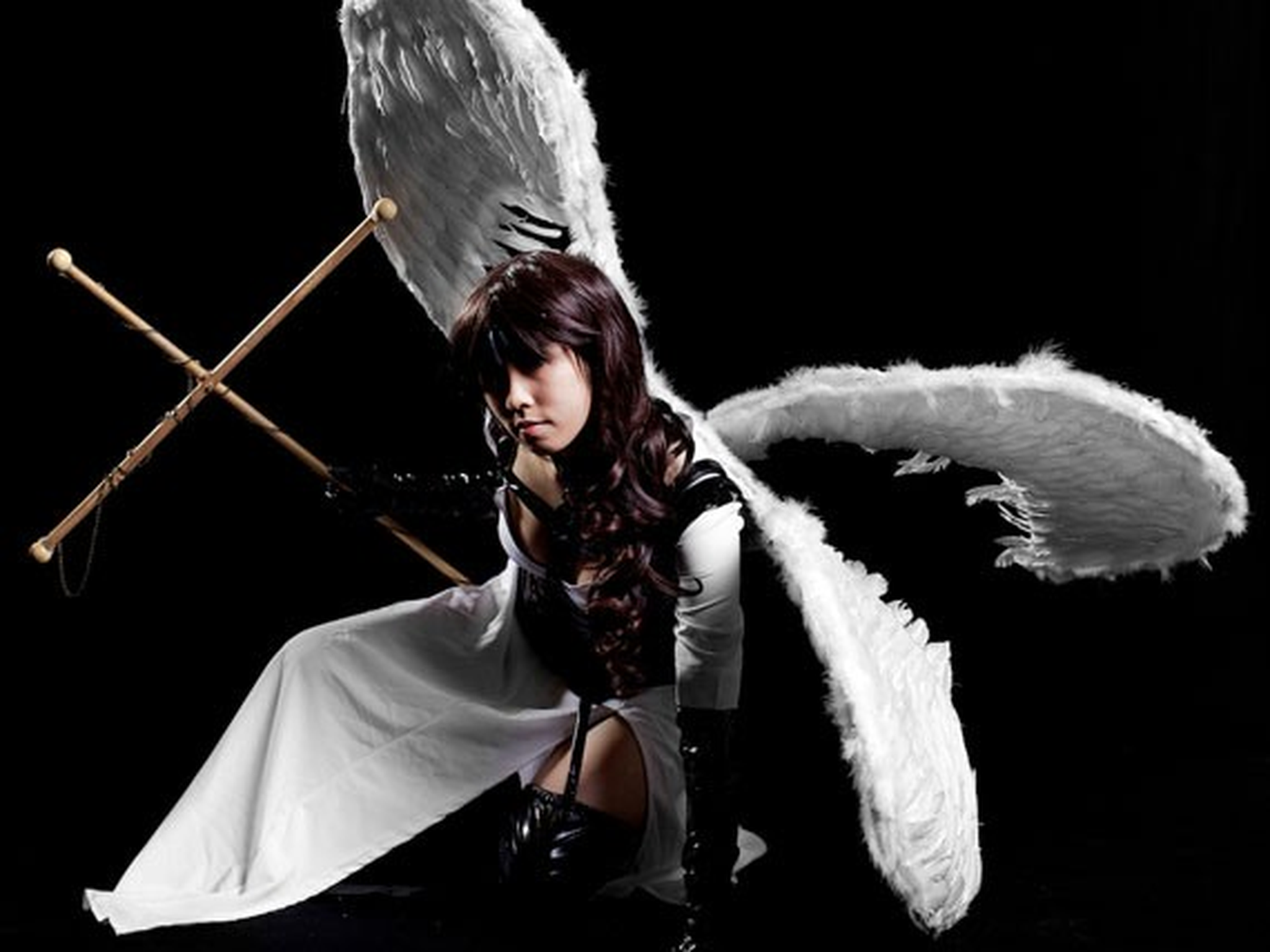
Dying in Fancy Dress: The Psychology of Cosplay
Cosplay looks like escapism. It is something stranger and older: a conscious delusion in which the self is annulled so the character can live, running from the masquerade ball and the commedia stage to the convention floor.
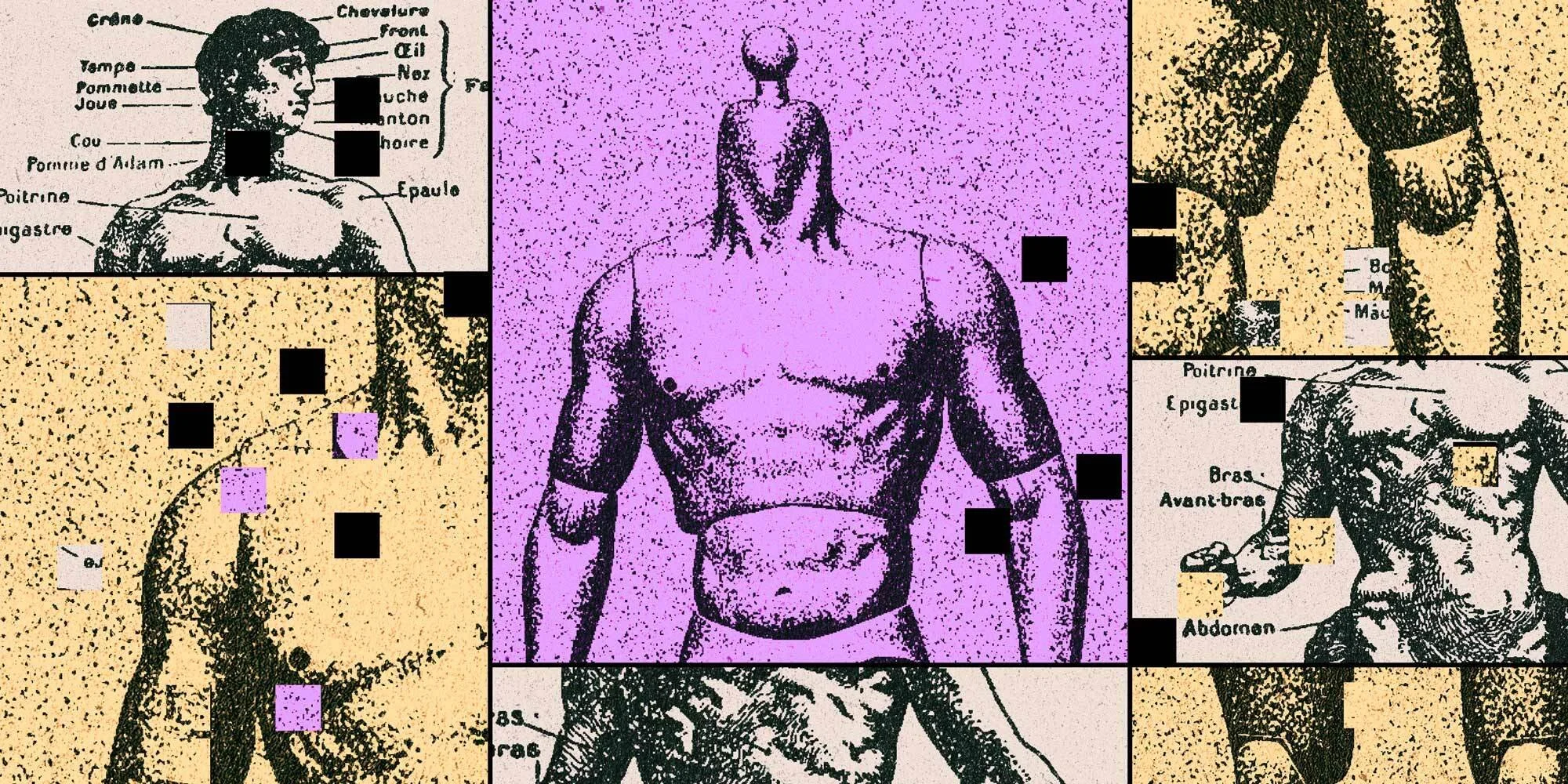
The Worn Body: Porn, Sex, Dolls and the Natrificial
Call it the natrificial: the body that swears it is the most natural thing in the world and is, in every particular, made. From Orlan's filmed surgeries to the spornosexual's blank face, one feedback loop, and the doll whose strings still show.

What the Academy Did to Making: The New Textuality for the Visual Arts
The art academy now calls art a form of research and asks the artist to explain it, justify it, write it up. A look at the vocabulary that follows, and what it costs the work it describes.

Ahead of the Battalion: Beginnings of the Avant-Garde
In 1820 a French shipwreck drew fifty thousand paying Londoners to a Piccadilly spectacle hall. The figure behind it, the artist freed from the patron and answerable to a public, is where the avant-garde begins.
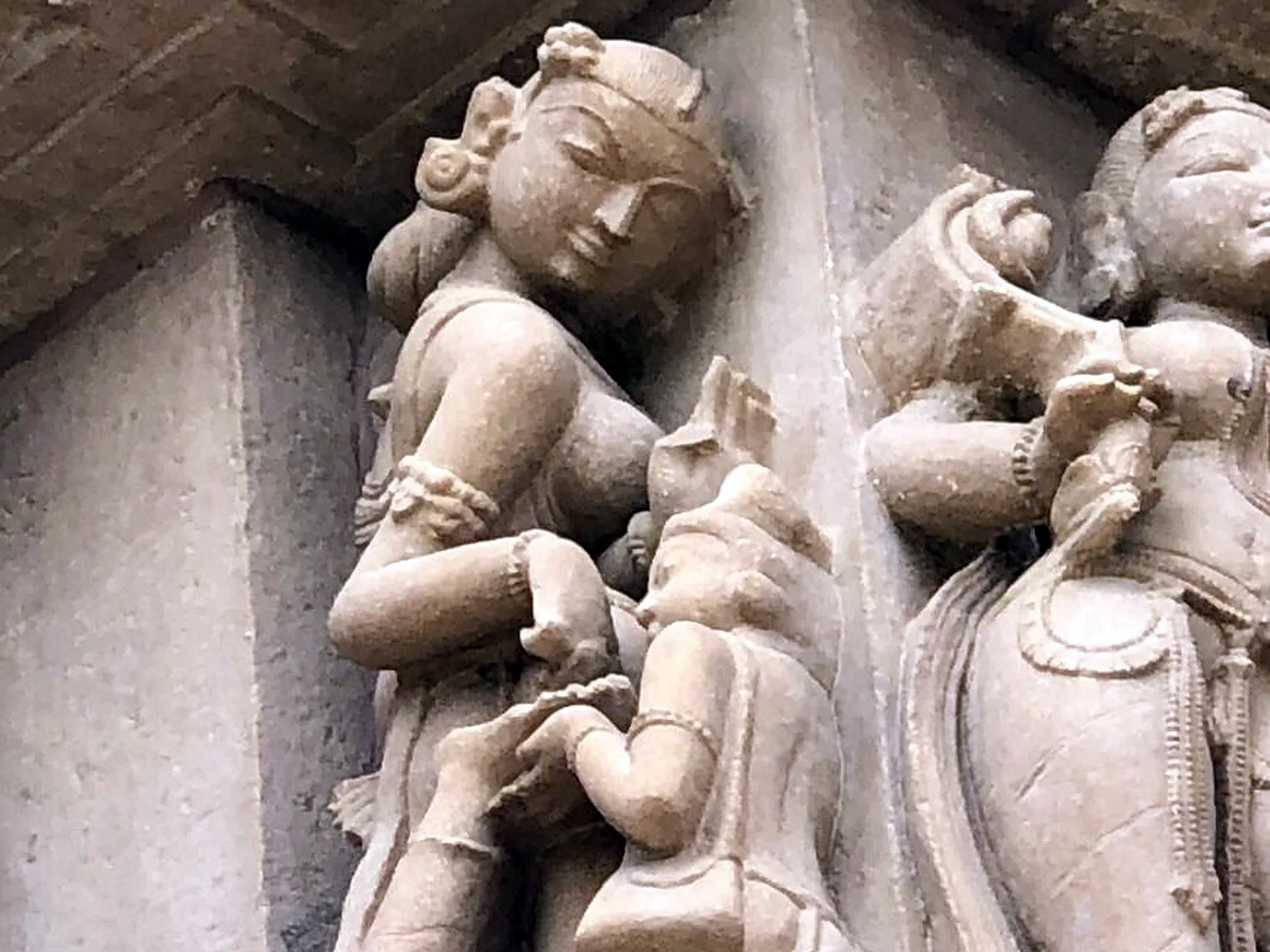
The Surfeit and the Wound: On Pleasure
A lost city of erotic temples, a king's gold salt cellar, a painter's last unhealing canvas: what the West did with pleasure once it stopped serving God.

What the Market Did to the Avant-Garde: Innovation in Art and Its Institutions
A watchmaker now calls itself avant-garde. The term once meant risk, penury, and a severed cord of patronage. A history of how the institution, the market, and the museum absorbed their own opposition, and where invention still happens.